The outdoor classroom - Redefining the classroom
So there we were, the boys and I in a huge kayak paddling hither and thither just down the coast from Looe. They kept dipping into the water for a bit of snorkeling and landing on reefs exposed at low tide, then this happened.

I had left the only camera way back on the beach and had to abandon them for 20 mins to get it. The cormorant was still there when I got back but I did not dare get close enough to hand over a camera in case the kayak scared the bird away. It eventually stopped examining them, had a quick preen and slipped into the water, the boys followed it snorkelling along watching it searching for food underwater just a few feet away from them. They needed an underwater camera so they could be David Attenborough and Steve Backshall. You never know when great learning events will happen. Capturing such moments and then uploading them onto the interthingy somewhere for the whole world to see gives children a sense of being part of the world, to contribute to the wonder of it all, a chance to be a player rather than a spectator, researcher rather than child.
I had wonderful adventures when I was in infants school, back then we started the week with a drawing and few sentences about what we did at the weekend. One weekend I saw a snowy owl when we were trekking through a blizzard out near Allenheads in Northumberland. I was stumped as to how to show a virtually all white bird on a white landscape on a white page. Teacher was not impressed with my scrawl, she did not believe we had been out in such wild weather or seen red deer and a snowy owl, camera ownership was rare in those days so no definitive proof was available. I resented her disbelief and mistrust, still do 45 years later. Digital cameras are pervasive with many families owning several and having cameras in smartphones, tablets etc. technology can now provide records of events in a way that just was not possible in the old days.
Back in 1997 I had an early Apple digital camera and used it in school with year 4-6 children, they took pictures of their local beach, their local studies trips and the school and its surroundings and we put them all on a website. This simple change in the way they could record and share their world gave the pupils a reason to be motivated and proud, a way to gain respect from teacher, parents and the world.
Today many children have their own camera and phone and the click and share process is nothing special or innovative it is just what they do. For educators the use of technology outdoors can be a very valuable tool if used well. Even fairly young children love finding out about things and the idea they can contribute to proper research can be a powerful motivator towards developing interest in science.
Back in 2002 I was helping to run the Notschool project that was a fully online alternative to mainstream school for pupils for whom the education system did not cater well. We avoided the labels associated with school and the children were known as 'young researchers' the 'young' label was rapidly dropped and this really did change how the children viewed themselves. For many there was a significant impact on raising self esteem and they set out on the journey of finding out about the world with renewed enthusiasm. This same strategy is useful in outdoor learning events - "Today we are all going to be researchers..." is a good precedent to anything from a minibeast hunt around the school grounds to a hike through the woods or scouting along the local beach. Bringing mobile technologies with them on the adventure reinforces the purposeful searching ethos and can act as a hook to lure them into the outdoors. Apps like' iRecord ladybirds' can help them identify what they have found and enable sharing of useful information via a photo upload to iRecord. The information then becomes available to environmental research organisations. The Rogers mushrooms app is handy to identify which fungus they should never touch or which are absolutely safe to eat although I would never recommend teachers cooking up wild fungi for children even if they have considerable expertise.
Here is a selection of very tasty found fungi
Forest schools expert Sara Knight provided this insight into indoor/outdoor learning from a teacher:
I used an actualiser when the children found a (very) dead snake and wanted to identify it. We captured it with the actualiser, which had two advantages:
(1) The smelly thing could then go back outside
(2) The image could be projected on one half of the white board while we search the internet for matches on the other half. Lo and behold, it was a slow worm!"
Nayland School
Involving children in real world research like this can develop interests and habits that last a lifetime.
Learning on the move - why was this one lagging behind? he had come to a halt and I went back down to see what was going on - an iPhone, a birding app, a maths app and a Skype chat with his mates had drawn him to a standstill.
Take a photo dad - what kind of spawn is this? Look it up now.
On school trips, even in school grounds children can benefit from mobile technologies - had we had our iPhone with us we could have done a search, identified the spawn, and added info to nature watch or iSpot sites.
History is being made every day - recording a long term record of school and wider environment through capturing moments like the one shown above or mini-beast surveys, recording macro species, recording local events and people and adding them to a school blog or website can accumulate into a valuable resource. Think ahead 20 years to students who will be able to look back at the school history with a far richer insight that has ever been possible. Tell children about that aspect of what they are doing and they will be enthused and proud of their work.
There are many things that can be done to encourage children to use technologies outdoors such as creating a QR code treasure hunt around the school grounds or for older children using QR codes to create an enhanced orienteering trail where they scan at each point on the trail, visit a web site to uncover online clues that involve activities such as evidencing their presence by taking photos of specified features. School trips to heritage sites or activity centres can be opportunities for creating virtual field trips for other pupils or other schools if recorded and added to blogs or other public containers. Pupil as reporter can be a very inspiring concept. BBC are currently running a project on pupil news reporting:
http://www.bbc.co.uk/schoolreport/21878960 Even without the support of the BBC schools can still embrace this concept with pupils reporting back to peers via a space on the school VLE a page in the school magazine etc.
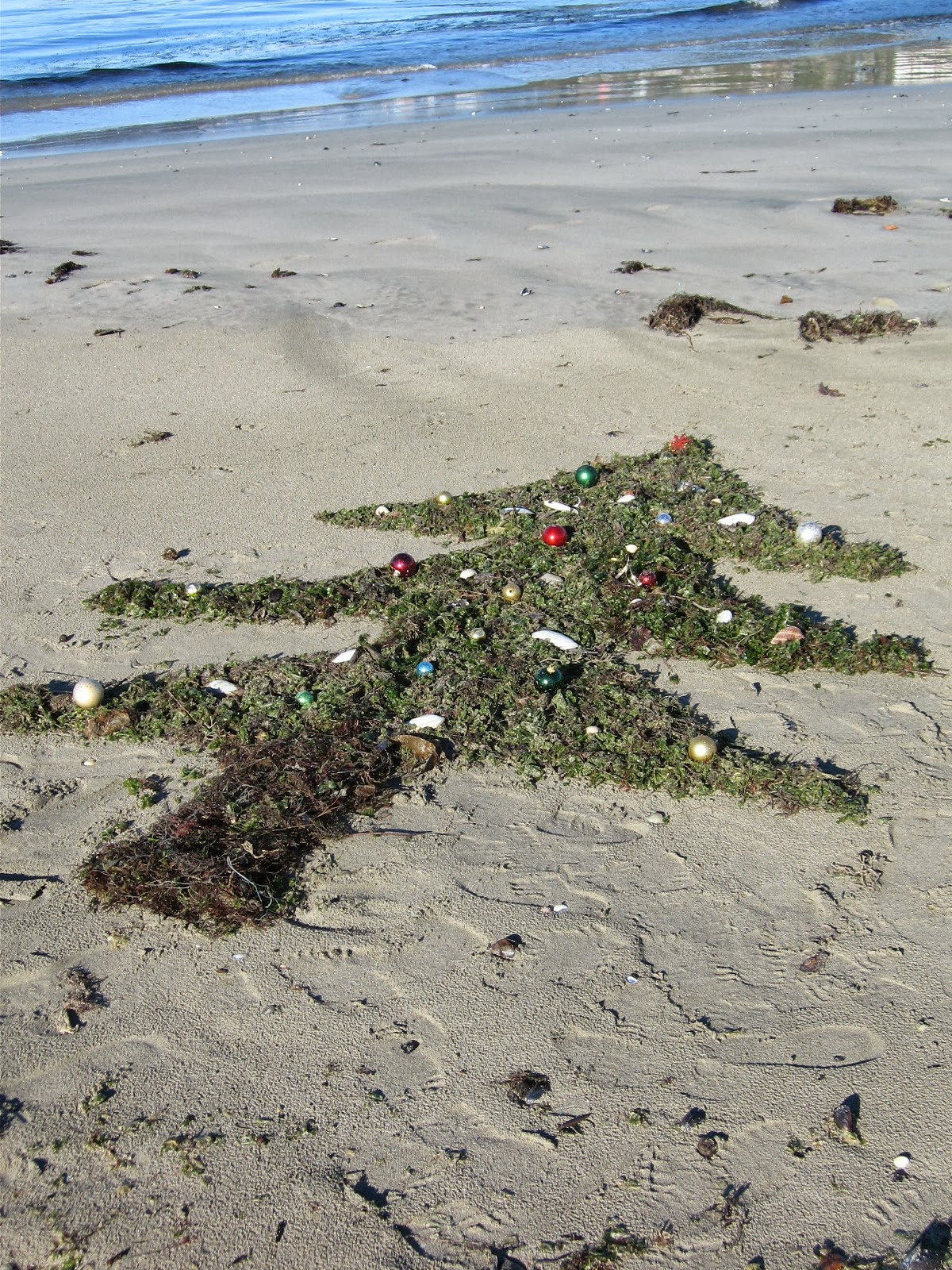
Celebration is a good incentive - making one off cards by recording outdoor sculptures:
This seaweed Christmas tree took about 45 mins to make, the photo was then decorated with digitally added tinsel and a star and converted into a fairly unique Christmas card.
Garden petals making a bright message.
This one took a long time and the maker was very proud of it.
What kind of house would you like to live in?
What kind of pet would you like?
Wow look what I found...
...and look what I found.
What big shiny eyes its got.
It is very common for schools to ask children not to bring cameras or phones on outdoor activity trips, that is understandable as many mobile technologies are fragile and easily lost. The record of trips is often captured by teachers or adult staff. It would make sense for schools or activity centres to purchase robust technologies such as 'tough cameras' that are fairly shock and waterproof, then to put them in the hands of the children and stand well back. Giving children the tools they need to take on roles such as: researcher, reporter, investigator, artist or explorer can provide a sense of self importance and that can have a significant impact on motivation to learn. Memories are great but a digital camera provides a tangible record they can be proud of. If they know they will be able to add them to the school VLE or upload them to a website that can only add to the incentive to get outside and learn.